It's Dangerous to Go Alone! Cooperation and Etiquette for Players
1/12/20266 min read


It’s Dangerous to Go Alone! Cooperation and Etiquette for Players
Check out part two of this article here!
Most books nowadays include some advice on getting a group together and managing the fun, sometimes messy social dynamics of a role-playing game. Although rules are important, you’re not going to have much of a game if your friends aren’t having a good time. Role-playing games are an inherently social activity, and despite the stereotypes, you do actually have to have friends to play most of them. I’ve met some of my best friends through gaming groups and continue to build strong friendships at every convention I attend. There’s nothing like running into someone you ran a game for the previous year and reminiscing about those epic moments you had in a gaming session!
But even when you’re playing with strangers, treating your group with respect goes a long way. This goes both ways, too; players and Dungeon Masters alike should treat each other with mutual respect. After all, you’re taking time out of your busy life to sit down for a few hours and play a role-playing game.
Apologies if that seems obvious. I’m not trying to use this article as an admonishment or to say that gamers don’t know how to do this in general. Most of the time, it’s fine. I’ve played in some fantastic games where everyone worked together to build a story in which everyone’s character felt like an important part of the world. Those are where you get those big, epic moments that everyone talks about for years to come - games where everyone is working together to tell a great story!
However, I have also played in games where players were bored, distracted by something else during the game, or even outright antagonistic toward the DM. Alternatively, games where the DM was either rude to the players or so caught up in their own narration that they didn’t realize everyone was falling asleep waiting for their turn. It’s essential to recognize that it’s on both the players and the DM to make a great game.
To fully cover this topic, I will focus on cooperation and good gaming etiquette for players, and discuss DM etiquette in another post.
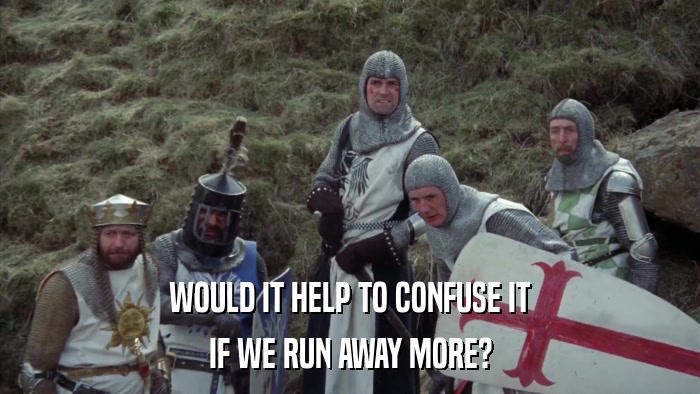
Being a good player in a role-playing game means trying to pay attention and stay in the moment as much as you can. As much as you can because we live in a modern world where screens compete for your attention every moment of the day. If you get an email during the game, do you check it? Probably. Is that a problem? Probably not. Do you make the occasional (or frequent) Monty Python reference during a serious moment? I know I do.
We'd better not risk another frontal assault, that rabbit's dynamite!
But is it causing a problem at the table? Maybe, but hopefully not. If you’re so focused on table chatter, or your phone, or interrupting the DM so frequently that the game can’t be played well, then, yes, it is a problem. Being a good player means knowing when to listen to the DM. After all, they invested a lot of time to set up an adventure for you to play in, so you should respect that time by listening and paying attention. That means different things to everyone (no one is perfect), but taking time when it’s not your turn in combat to think about your next action and to pay attention to what everyone else is doing is a great way to start. That way, you as a player are more invested in what’s going on, and you don’t have to slow down the momentum of the game to flip through your spellbook or whatever.
Reasonably speaking, no one is going to expect you to turn your phone off or not have any out-of-character table chatter at all. We all have things outside of the game that may need our attention, and I doubt anyone would begrudge a joke or reference at the right moment. But if it’s starting to affect everyone’s enjoyment of the game, consider cutting down on those behaviors. This will take a bit of introspection and reading the room. Reasonable people don’t mean to be annoying or engage in behaviors that bother other people, but sometimes it happens. You’re in a group, and sometimes, group dynamics can be tricky. Even people who have known each other for years can piss each other off and not say anything about it until it’s too late. It’s best to examine your own behaviors and see if anything may be causing issues first.
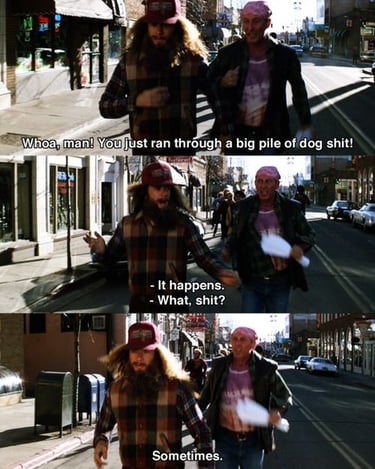
It’s okay. Shit happens. Just try to do your best to get over it and enjoy the game. We’re all there to have a good time, and things will come up.
Being a good player also means working together with other players and your DM. Everyone’s character in a role-playing game is the main character in a story. Yes, everyone should have moments in most games where their character gets to show off their stuff. But being a good player means learning how to share the spotlight. You should have your moments to shine and show off what your character is good at. Rogues should sneak around and pick locks, fighters and barbarians should lop off heads, and wizards should cast fantastical spells. But bogarting all the attention for your own character is no way to game.
What that means as a player is being willing to let others have their turn and being excited for them, even if you are the “best” choice to perform a task, especially if you’ve recently gotten a chance to shine. Does your rogue have stealth? Sure you do, but your party’s wizard really wants to cast a Mass Invisibility spell to sneak around the guards. Even though you are the best at Stealth, you just picked the lock and disarmed a trap in the other room. Being a player in a role-playing game means working with the party, not having a solo adventure while everyone else is trying to keep up.
On the flipside of this, if it’s not your turn, the temptation to pull out your phone and scroll through TikTok can be very strong. Instead, pay attention to what’s going on during other players’ turns. Listen to what the DM says the monster does, and adjust your own strategy accordingly. Most importantly, figure out what you want to do. When it gets to your turn, at least 5-10 minutes of real time have gone by. Use it wisely.
Of course, being a good player extends outside of the game, too. If you’re going to a friend’s house to play, bring a six-pack of soda or your favorite adult beverage if your group is of age. If your DM buys pizza, get a little cash. Speaking of chips, figure out what everyone’s favorite snack is and bring something to share with the table. It’s a nice thing to do, and it's a great way to build a stronger friendship at the table.
Speaking of food, ask about dietary and allergy concerns! Especially if you’re going to a convention game where you don’t know anyone at the table, ask before you open up a snack, especially if you’re eating something with the “Big Nine” most common food allergens: milk, eggs, peanuts, soy, wheat, tree nuts, shellfish, fish, or sesame. I’m not an allergist, but if you’re going to open a bag, ask if the snack you’re eating has peanuts in it. According to Food Allergy Research & Education, peanut allergy is the most common food allergy under age 18, the third-most common food allergy in adults, and is usually lifelong. No one wants to have an anaphylactic reaction at a gaming table, so just ask first.
The whole point of this is very simple: be mindful at the table. Share the spotlight. Listen to the DM. Enjoy those Big Epic Moments. Don’t be afraid to roll a critical failure. Form a fellowship with your party. We’re all here to have fun, so have fun. But don’t be a jerk, be a good friend.
So in a way, I am saying that yes, Friendship is magic. No, I didn’t miscapitalize that; it’s an enchantment cantrip: look it up.
- Tanner
Food allergy information: