It’s Dangerous to Go Alone! Part Two: Cooperation and Etiquette for Dungeon Masters
1/18/20266 min read


It’s Dangerous to Go Alone! Part Two: Cooperation and Etiquette for Dungeon Masters
As I discussed in part one of this topic, players and Dungeon Masters have a mutual responsibility to show respect for one another to ensure a great game. Sure, knowing the rules is important, but so are simple things like showing respect, cooperating with the group, and recognizing that mistakes happen. Many of you may run games as well as play, but for those who don’t, hopefully this article will help you understand both sides of the DM screen. No one’s perfect, but it’s good to take a moment to reflect on how the other side of the table feels.
There are an infinite number of ways to run Dungeons and Dragons, but even the strictest, most impassive, sphinx-like DM owes their players a good game and at least a chance of success, no matter how difficult that may be. The standard joke of “rocks fall, you die” comes up for Dungeon Masters who are either trying to kill the players (a red flag!) or are enjoying their position as narrator a bit too much.
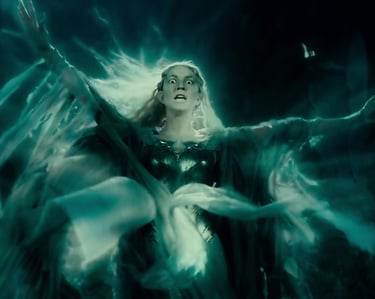
Instead of a Dark Lord, you would have a Dungeon Master! Not dark, but beautiful and terrible as the dawn!
If you’re a DM with either a difficult group or, more likely, you have one or two problem players who are making the game less fun for everyone else, instead of targeting their characters, try talking to them. Yes, I know, confrontation sucks. This is easier said than done, of course, and your circumstances may vary. But better to address a problem behavior (privately!) than be frustrated by it continuing.
I don’t know what it’s like at your table, but players generally know if you’re targeting them, which leads to frustration on both sides. Maybe there’s some group out there that makes the “DM vs. Player” dynamic work, but in my experience, it only leads to hurt feelings and animosity outside of the table. As I said, social groups are messy, but wouldn’t it be better to have your group talk about a Big Epic Moment that happened during the game than talk about the DM behind their back?
For the love of all that is Lawful Good, though, if you need to address any problems you’re having, do it outside of the table. Even if you’re doing so in a calm and nonconfrontational manner, I can just about guarantee you that if you’re talking about it in front of the group, the player you’re addressing is embarrassed and not hearing a word you’re saying. No one likes feeling called out. It’s not an intervention.
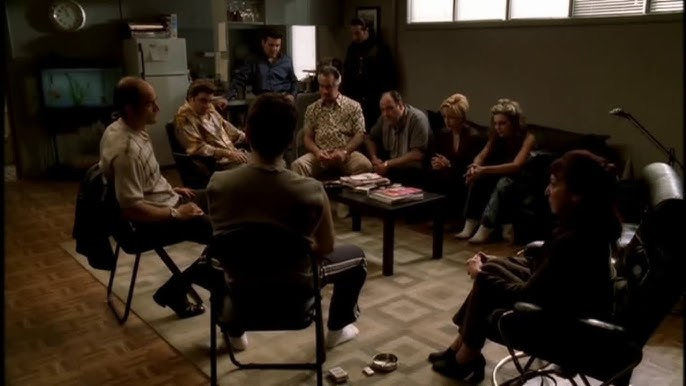
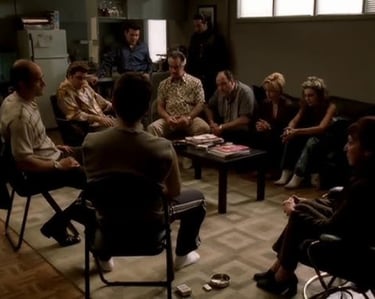
But if it is an intervention, hopefully it goes better than this one.*
If you have a problem that’s affecting your enjoyment of the game, you shouldn’t suffer in silence, but the person you have the problem with is worthy of respect, too. Maybe they don’t know they’re interrupting the game, and sometimes a gentle reminder is enough.
As I mentioned before, sometimes players goof off and get off topic (guilty as charged). It happens, and usually it’s no big deal. But if you’re DMing a game, you know that it’s you that they’re coming to see to forget about life for a while. Yes, I just shoehorned Billy Joel into an article about gaming. See? It’s that easy to get off topic. I know that it can be frustrating when a player cracks a joke just as you get to a climactic moment or a plot revelation you’ve been building up for months, but it happens sometimes. That leads into my next topic…DMs should know how to read the room.
I’ve had games that were engaging, exciting, and entirely awesome, and I’ve played in games where the DM droned on and on and spent way too much time on certain scenes, generally ignoring the players' obvious signs of boredom.
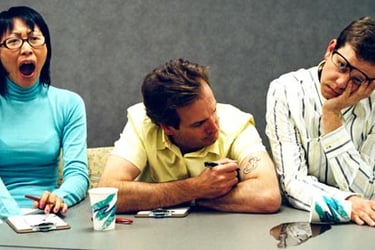
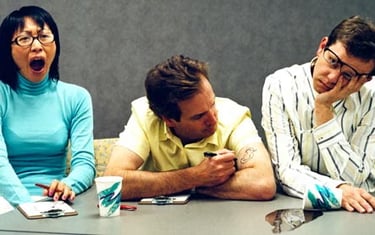
Look at this table. Look at your table. Hopefully, you see a difference. The guy on the right spilled his drink, and he doesn’t even care.
Yeah, sometimes it’s not great knowing your players are bored. If you spent a lot of time preparing a scenario only for your players to drone out, that can be a bit hurtful, but sometimes it’s not your fault. It’s challenging to pay attention for long periods of time, and if you’ve been on the player side of the table, I’m sure you know how that goes.
I’d like to share some tips on keeping players engaged, but first, I want to share a bit more about my background, something I intend to write a whole article about. I have a Bachelor’s degree in Childhood Education and was very nearly an elementary school teacher before deciding to pursue a Master’s in Library Science. So this means I’m in a somewhat unique position to discuss player engagement. But for now, I’ll start with some basic tips if you see your player’s attention drifting during a session. No matter if you’re the world’s most excellent storyteller, attention will drift at some point during your game, and that’s okay. But better to get your players more involved with a story than to go on for too long and risk losing it entirely.
If you’re working on, say, a role-playing scene between one character and an NPC, try to find a way to involve the other players. I’ve been in games that let scenes drag on for way too long. If a scene is capturing all the players' attention, then by all means, let it go on for a little longer, but just be aware that while you’re interacting with another player, the others are waiting for their turn. For example, let’s say your bard is trying to smooth-talk a guard into letting you into the castle. Meanwhile, the rest of the party could be doing something else, like discussing plans, sharpening weapons, reading from their spellbook…even if the rest of the party is “idle”, their characters aren’t. Even if a one-on-one scene is essential to a story, occasionally, flip back to everyone else and see what they’re up to.
Speaking of which, try to keep your scenes short and pithy, no matter what kind of scene you’re running. I know combat can take forever, but as I mentioned in my player’s etiquette article, having both sides of the table prepared makes it go much faster.
If you’re DMing, you’re balancing several things at once: your game notes, running combat encounters, remembering which voice you gave that NPC…a DM’s plate is full, and I’m sure I’m not the only one who’s ever felt like an auctioneer/carnival barker at times, especially with a large group. So it’s very easy to forget about your player’s body language. Are they slouching? Phones in their hands? Making dice towers? Discussing the latest episode of The Sopranos? (Okay, it’s been on my mind a lot lately. I know the show is over 20 years old. Get them involved! You can assign a note-taker for the session, have them draw maps on your battle mat, or, if they enjoy art, have them draw pictures of what’s going on or player characters!
I think the important takeaway from these articles, no matter what side of the table you’re on, is this: be kind. Be aware of your fellow players. Get involved in the game. Share the glory. Keep your scenes short, and share the spotlight. Bring snacks, or give a bit of cash to those who regularly bring them.
Most importantly: be kind. We all play role-playing games to tell epic stories and hang out with friends. As two wise men once said: be excellent to each other, and party on, dudes.
- Tanner
* I’m watching The Sopranos for the first time right now, and it’s so good. I love shows where everyone’s a bad person.